Understanding the Leukemia Awareness Concept Ribbon: Formats, Uses, and Decision Factors
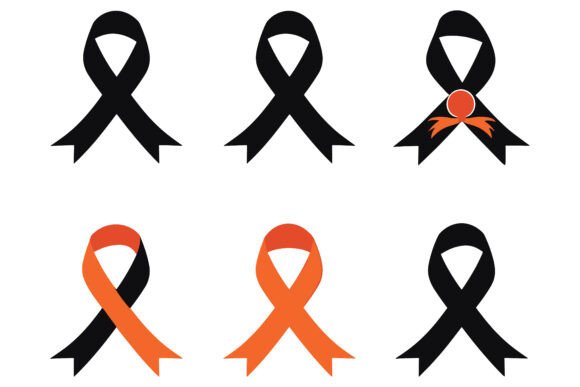
The Leukemia Awareness Concept Ribbon serves as a vital visual anchor for campaigns dedicated to raising funds, educating the public, and supporting those affected by blood cancers. Unlike generic clip art or low-resolution images found in basic search results, a professional concept ribbon is designed with scalability, clarity, and versatility in mind. For organizations, event planners, and individuals looking to make an impact, selecting the right digital asset is not merely an aesthetic choice; it is a strategic decision that influences how effectively a message is received across various platforms.
When evaluating resources for awareness campaigns, the distinction between a standard image file and a comprehensive vector-based package becomes immediately apparent. A high-quality Leukemia Awareness Concept Ribbon package typically includes multiple file formats—EPS, SVG, PNG, and JPG—each serving a specific technical purpose. This multi-format approach ensures that whether the ribbon is printed on a massive outdoor banner or displayed as a tiny icon on a mobile screen, the integrity of the design remains intact.
Why File Format Matters in Awareness Campaigns
One of the primary advantages of a curated Leukemia Awareness Concept Ribbon collection is the inclusion of both vector and raster files. Understanding the difference between these formats is crucial for anyone planning a multifaceted campaign. Vector files, such as EPS (Encapsulated PostScript) and SVG (Scalable Vector Graphics), are mathematical representations of shapes. They can be scaled infinitely without losing resolution. This makes them indispensable for large-scale printing, such as banners for walkathons or logos for merchandise like t-shirts and tote bags.
In contrast, raster files like PNG and JPG are pixel-based. While they cannot be scaled up indefinitely without becoming blurry, they offer specific benefits for digital applications. The PNG format included in these packages often features a transparent background with no artboard border lines. This is a critical feature for web designers and social media managers who need to overlay the ribbon onto existing backgrounds, profile pictures, or website headers without unsightly white boxes disrupting the visual flow. The JPG format provides a standard option for quick sharing on platforms where transparency is less critical but file size efficiency is preferred.
Comparing this comprehensive package to single-format alternatives reveals a significant trade-off in flexibility. Relying solely on a JPG image might suffice for a simple email newsletter, but it would fail when attempting to print a high-resolution poster or create a custom sticker. By providing EPS, SVG, PNG, and JPG files, the Leukemia Awareness Concept Ribbon resource eliminates the need for users to hunt for different assets or risk quality loss during conversion.
Evaluating Use Cases: From Merchandise to Digital Spaces
The versatility of the Leukemia Awareness Concept Ribbon extends beyond its file formats into its practical application across diverse sectors. When deciding if this resource fits your needs, consider the breadth of potential use cases it supports. For fundraising initiatives, the ability to apply the design to physical goods is paramount. The vector capabilities allow the ribbon to be cleanly transferred onto merchandise such as mugs, wristbands, and t-shirts. In this context, the clean lines and distinct colors of the concept ribbon ensure that the branding remains sharp even after the printing process.
Digital engagement represents another major category where this resource excels. Social media campaigns rely heavily on visual consistency. Whether creating awareness posts, updating profile pictures, or designing story banners, the transparent PNG version allows for seamless integration into existing brand aesthetics. Similarly, for web design, the SVG format ensures that website elements for leukemia support groups or charity blogs load quickly and display crisply on all devices, from desktop monitors to smartphones.
Event promotion also benefits significantly from having a scalable design asset. Posters, flyers, and large-format banners require high-resolution graphics that do not pixelate when enlarged. A standard low-res image would appear jagged and unprofessional at this scale, potentially undermining the credibility of the event. The Leukemia Awareness Concept Ribbon, available in EPS and SVG, solves this problem, ensuring that promotional materials look polished and authoritative.
Specialized Applications in Education and Corporate Settings
Beyond public-facing campaigns, the utility of these designs extends into educational and corporate environments. Medical educational materials, such as brochures, pamphlets, and infographics, require clear, recognizable symbols to convey information quickly. The concept ribbon acts as a universal signifier, helping readers instantly identify the topic of the material. Its clean design prevents visual clutter, allowing the focus to remain on the medical facts and statistics presented.
Corporate initiatives and employee awareness programs also utilize these assets to foster a supportive workplace culture. HR campaigns, internal newsletters, and donation drives benefit from a professional-grade graphic that aligns with corporate identity standards. The availability of multiple formats means that marketing teams can easily adapt the ribbon for both internal digital communications and external community outreach events, such as benefit concerts or charity walks.
For individuals engaging in DIY crafts, the resource offers a creative outlet for personalized support. Stickers, scrapbooking projects, and handmade thank-you notes can be enhanced with high-quality cutouts derived from the vector files. This democratizes the creation of awareness materials, allowing supporters to contribute meaningfully without needing advanced design skills or expensive software subscriptions.
Comparing Alternatives: Custom Design vs. Pre-Made Assets
When considering the Leukemia Awareness Concept Ribbon, it is helpful to weigh it against the alternative of commissioning a custom design. Hiring a graphic designer offers the advantage of total customization, allowing for unique color variations, typography, and layout adjustments tailored specifically to a brand's guidelines. However, this approach comes with significant trade-offs regarding time and cost. Custom design projects can take weeks to complete and often require substantial financial investment.
In comparison, a pre-made Leukemia Awareness Concept Ribbon package provides an immediate solution. It is ready for use upon download, allowing organizers to launch campaigns quickly. For small charities, volunteer groups, or individuals with limited budgets, the cost-effectiveness of a high-quality digital asset package is often superior to custom work. Furthermore, established concept ribbons carry a level of recognition; the gold ribbon associated with leukemia awareness is a widely understood symbol. Deviating too far from this established iconography in a custom design might reduce immediate recognition among the general public.
Another consideration is the technical expertise required. Using vector files like EPS and SVG may require access to software like Adobe Illustrator or CorelDRAW, which some users may not possess. However, the inclusion of PNG and JPG files mitigates this barrier, making the resource accessible to those using simpler tools like Canva, Microsoft Word, or basic photo editors. This hybrid approach balances professional quality with user accessibility, a balance that many free, low-quality alternatives fail to achieve.
Decision Factors: Choosing the Right Resource
Determining whether the Leukemia Awareness Concept Ribbon is the right choice depends on the scope and goals of your project. If you are organizing a large-scale event involving printed materials, merchandise, and digital presence, the multi-format nature of this resource makes it an ideal selection. The ability to switch seamlessly between vector and raster files ensures consistency across all touchpoints of your campaign.
However, if your needs are extremely niche—requiring a specific modification to the ribbon's shape or a unique combination of elements that standard assets do not provide—a custom design might still be necessary. Additionally, if your organization has strict brand guidelines that prohibit the use of standard symbols, you may need to adapt the concept significantly, which could render a pre-made file less useful.
For most general awareness efforts, including school fundraisers, local community walks, and online advocacy, the Leukemia Awareness Concept Ribbon offers the best balance of quality, versatility, and ease of use. The inclusion of transparent backgrounds and high-resolution vectors addresses the most common pain points faced by campaign organizers: poor image quality and formatting issues.
Practical Implementation Strategies
To maximize the impact of the Leukemia Awareness Concept Ribbon, users should adopt a strategy that leverages each file type for its intended strength. Start by using the EPS or SVG files for any physical production, such as printing t-shirts, mugs, or large banners. These formats guarantee that the final product will have crisp edges and vibrant colors. Simultaneously, utilize the PNG files for all digital overlays, ensuring that the ribbon integrates smoothly into social media graphics and website headers without background interference.
For broader distribution, the JPG files serve as excellent placeholders for emails, presentations, and documents where transparency is not required. By strategically deploying these different formats, organizations can maintain a cohesive visual identity while optimizing performance across various mediums. This systematic approach ensures that the message of leukemia awareness is communicated clearly, professionally, and effectively, regardless of the platform or medium used.