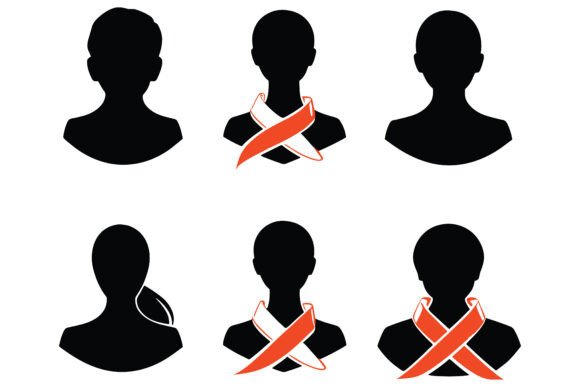
Understanding Leukemia Awareness Day Vector Art: Formats, Uses, and Decision Factors
When planning a campaign to support leukemia research or raise funds for patient care, the visual identity of your initiative plays a critical role in communication. Leukemia Awareness Day Vector Art has become a standard resource for organizers, designers, and advocates looking to convey solidarity through the symbolic red ribbon. Unlike raster images, which are composed of fixed pixels, vector art is defined by mathematical equations, allowing it to scale infinitely without losing quality. This distinction makes it an essential tool for anyone needing graphics that must appear crisp on everything from a small social media icon to a massive outdoor banner.
However, selecting the right graphic resource involves more than just finding an image you like. It requires understanding the file formats available, the specific use cases where vectors excel, and when other formats might be more appropriate. For adults managing fundraising events, corporate initiatives, or personal DIY projects, evaluating these options ensures that the final output looks professional and effectively communicates the message of hope and awareness.
The Technical Advantage of Vector Graphics
The primary differentiator between Leukemia Awareness Day Vector Art and standard image files lies in scalability. When you download a raster image, such as a JPEG or PNG with a fixed resolution, enlarging it beyond its original dimensions results in pixelation—a blocky, blurry appearance that undermines professionalism. In contrast, vector files maintain sharp edges and clean lines regardless of size. This is particularly important for awareness campaigns where the red ribbon symbol must remain distinct and recognizable across various mediums.
Most comprehensive collections of this art include multiple file types to accommodate different workflows. Typically, you will find EPS (Encapsulated PostScript) and SVG (Scalable Vector Graphics) files, which are the true vector formats used by professional design software like Adobe Illustrator or Inkscape. These allow for full editing of colors, shapes, and text. Alongside these, high-resolution PNG files with transparent backgrounds are often included for users who do not have access to vector editing tools but still need a clean image that can be placed over colored backgrounds. Additionally, JPG files provide a universally compatible option for quick previews or digital sharing where transparency is not required.
Comparing Vector Art to Alternatives
While vector art offers significant advantages, it is not always the only solution. Understanding the tradeoffs helps in making an informed decision based on your specific needs. One common alternative is using stock photography or complex illustrations found in general libraries. While these can be visually striking, they often lack the versatility of a dedicated vector set. A photograph of a ribbon cannot easily change color to match a brand's palette, nor can it be resized for a billboard without quality loss.
Another consideration is the complexity of the design. Some Leukemia Awareness Day Vector Art features intricate details that may look stunning on a screen but become muddy when printed on small items like wristbands or stickers. In these scenarios, a simplified version of the vector or a high-contrast PNG might be more effective. Conversely, for large-scale applications like event banners or building wraps, the detailed nature of vector art shines, providing a level of clarity that raster images simply cannot match.
Cost is also a factor. High-quality custom illustration can be expensive and time-consuming to commission. Pre-made vector bundles offer a cost-effective alternative, providing immediate access to professional-grade assets. However, readers should evaluate whether the generic designs fit their specific campaign tone. If a unique, bespoke look is required to differentiate a major corporate initiative, investing in custom design might be necessary. For most grassroots efforts, however, the flexibility of existing vector resources provides the best balance of quality and affordability.
Practical Applications Across Industries
The versatility of Leukemia Awareness Day Vector Art extends far beyond simple decoration. Its adaptability makes it suitable for a wide range of practical applications, each requiring careful consideration of format and usage rights.
- Merchandise Production: For fundraising through physical goods, vectors are indispensable. Whether printing on T-shirts, mugs, tote bags, or wristbands, the ability to resize the artwork ensures it fits perfectly on the product template. The transparent background PNGs included in these sets are particularly useful for heat transfer printing, eliminating the need for white borders around the ribbon design.
- Digital Campaigns: Social media platforms demand images in various aspect ratios. SVG files are ideal for web integration, ensuring profile pictures and banners load quickly and display sharply on all devices. This consistency helps maintain brand recognition across Facebook, Instagram, and LinkedIn posts.
- Event Promotion: Physical events like walkathons, benefit concerts, and donation drives rely heavily on posters and flyers. Vector art allows organizers to print materials at any size, from pocket-sized handouts to 6-foot tall banners, without worrying about resolution issues.
- Medical Education: Brochures, pamphlets, and infographics require clear, legible graphics. Vectors ensure that icons and symbols remain crisp even when reduced to fit alongside dense text, aiding in the effective communication of medical information.
- Corporate and HR Initiatives: Companies running employee awareness programs often need to integrate logos and ribbons into newsletters and internal presentations. The editable nature of EPS files allows designers to adjust colors to align with corporate branding guidelines while maintaining the integrity of the awareness symbol.
Creative and Personal Uses
Beyond professional settings, these resources are valuable for individuals engaging in DIY crafts and home decor. Stickers, scrapbooking pages, and personalized support items can be created using the provided PNG or SVG files. Home decorators might choose to create canvas prints or wall decals featuring the red ribbon, turning a living space into a statement of support. The absence of artboard border lines in the provided files simplifies this process, allowing for seamless integration into creative projects.
Decision Factors: When to Choose Vector Art
Determining if Leukemia Awareness Day Vector Art is the right choice depends largely on the intended output. If the project involves any form of printing—especially large format—vector is the superior option. The ability to edit the file means you can customize the ribbon color, add text, or combine elements with other graphics, offering a level of control that static images do not.
However, there are situations where vector art may not be the primary need. If you are creating a simple blog post thumbnail or a quick social media story that does not require resizing, a high-quality JPG might suffice and save time on processing. Similarly, if the design requires complex textures or photorealistic effects that vectors cannot easily replicate, a combination of vector outlines and raster textures might be necessary. In such cases, having a bundle that includes both vector and high-res raster formats provides the best of both worlds.
Another critical factor is the software ecosystem. Users who rely on free design tools like Canva or basic photo editors may find EPS files difficult to open directly. For these users, the inclusion of PNG files with transparent backgrounds is crucial. It bridges the gap between professional vector capabilities and accessible design tools, ensuring that the quality of the awareness campaign is not compromised by technical limitations.
Evaluating Quality and Usability
When comparing different sources for Leukemia Awareness Day Vector Art, attention to detail matters. Look for resources that explicitly state "No Artboard Border Line" and "Transparent Background." These features indicate that the creator has considered the end-user's workflow, saving hours of manual cleanup. Files that are ready to use immediately allow you to focus on the message rather than the mechanics of file preparation.
Furthermore, consider the licensing terms. While many resources are available for personal and commercial use, it is vital to verify that the license covers your specific intent, such as selling merchandise or using the art in corporate training materials. A comprehensive package that clearly outlines permitted uses reduces legal ambiguity and provides peace of mind for organizers of charity fundraisers and corporate events.
In summary, Leukemia Awareness Day Vector Art serves as a foundational element for effective advocacy. By understanding the strengths of vector formats, comparing them against alternatives, and matching the file type to the specific application, you can ensure that your campaign materials are not only visually appealing but also technically sound. Whether you are designing a T-shirt for a local walkathon or creating a global digital campaign, the right graphic resources empower you to spread awareness with clarity and impact.