Leukemia Awareness Day Banner: A Strategic Asset for Campaigns and Creative Workflows
For professionals, community organizers, and creative entrepreneurs, the planning phase of a health awareness campaign often hinges on the availability of high-quality visual assets. The Leukemia Awareness Day Banner serves as more than just a decorative image; it is a foundational element in the broader process of communicating urgency, empathy, and hope. Whether you are managing a corporate HR initiative, running a small business fundraiser, or coordinating a local walkathon, integrating this specific graphic resource into your workflow ensures consistency and professionalism from the initial concept to the final execution.
Understanding the technical composition of these assets is the first step in effective implementation. When sourcing a Leukemia Awareness Day Banner, the versatility of the file formats provided determines how seamlessly the design integrates into various production pipelines. A robust package typically includes EPS files, which are essential for print designers requiring vector scalability without resolution loss. For digital workflows, SVG files offer crisp edges on any screen size, while PNG files with transparent backgrounds eliminate the need for manual background removal, saving hours of post-processing time. Additionally, JPG files provide a universal fallback for quick previews or platforms that do not support transparency. This multi-format approach ensures that the asset remains compatible across diverse tools, from Adobe Illustrator to Canva, WordPress, and social media schedulers.
Strategic Integration Before the Launch
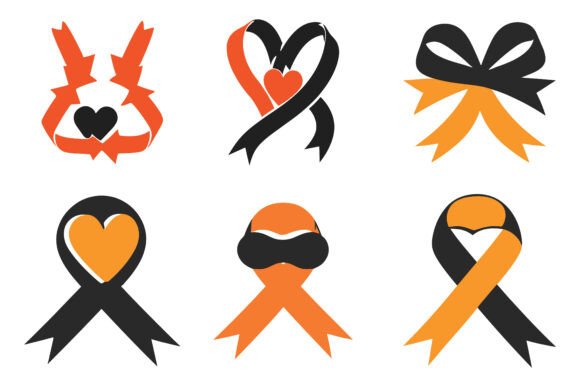
The utility of a Leukemia Awareness Day Banner begins long before the actual event date. In the pre-planning stage, these graphics function as mood boards and conceptual anchors. Marketing teams and event planners can utilize the banner designs to establish a visual identity that aligns with the cause's color palette—typically gold ribbons and supportive imagery. By reviewing the available designs early, stakeholders can make informed decisions about branding consistency, ensuring that all subsequent materials, from email newsletters to physical signage, speak the same visual language.
During the procurement phase, the decision to use a comprehensive file package impacts efficiency. Instead of commissioning custom artwork for every single touchpoint, organizations can leverage the included formats to adapt one core design for multiple purposes. For instance, a designer can take the vector EPS version to create large-scale outdoor banners for a charity gala, while simultaneously using the PNG version to overlay onto social media profile pictures. This strategy reduces the cognitive load on the creative team, allowing them to focus on messaging and logistics rather than starting from scratch with every new medium.
Execution During Active Campaigns
Once the campaign moves into the active phase, the Leukemia Awareness Day Banner becomes a dynamic tool for engagement. Its application spans both digital and physical realms, requiring a flexible approach to deployment. In the context of Social Media Campaigns, the banner acts as a visual hook. Creators can schedule posts featuring the banner alongside educational content, using the transparent PNG versions to blend seamlessly with existing brand templates. This consistency helps followers instantly recognize the initiative, increasing shareability and engagement rates.
For physical events such as Event Promotion, the banner transitions from a digital file to a tangible presence. Event coordinators can scale the SVG or EPS files to print posters, flyers, and large vinyl banners for venues. The absence of artboard border lines in the provided files is a critical detail here; it prevents awkward white margins when printing, ensuring the design fills the intended space perfectly. This attention to detail reflects quality control, which is vital when representing a serious medical cause. Attendees at walkathons or benefit concerts interact with these visuals, reinforcing the message of solidarity and support.
Simultaneously, the banner plays a pivotal role in Charity Fundraising efforts. Merchandise creation is a primary revenue stream for many non-profits. The ability to apply the design to T-shirts, mugs, wristbands, and tote bags allows organizations to sell branded items that double as awareness tools. Because the files are optimized for various applications, the transition from digital mockup to printed product is streamlined. Entrepreneurs and small business owners can quickly produce limited-run items to coincide with awareness dates, capitalizing on the heightened public interest during the campaign period.
Post-Event Utilization and Long-Term Value
The lifecycle of a Leukemia Awareness Day Banner extends well beyond the immediate event or launch week. In the post-campaign phase, these assets serve as archival records and educational resources. Medical Educational Materials such as brochures, pamphlets, and infographics often require authoritative yet accessible visuals. The banner designs can be repurposed to highlight statistics, success stories, or donation summaries, providing a familiar visual anchor for readers who may have engaged with the campaign previously.
Furthermore, the versatility of the file formats supports long-term organizational goals. Corporate Initiatives often run recurring employee awareness programs throughout the year. Having a library of high-quality banner files allows HR departments to refresh internal communications, newsletters, and office decorations without needing to source new assets annually. This promotes continuity in the organization's commitment to health and wellness, fostering a culture of sustained support rather than one-off gestures.
On a personal level, the files enable DIY Crafts and home-based projects. Hobbyists and supporters can use the designs for scrapbooking, creating stickers, or producing personalized support items for friends and family affected by leukemia. Similarly, Home Decor applications allow individuals to display their support through wall art, canvas prints, and decals. These personal touches keep the conversation alive within private spaces, extending the reach of the awareness movement into everyday life.
Workflow Optimization and Technical Considerations
To maximize the impact of the Leukemia Awareness Day Banner, users must consider technical compatibility and organizational habits. When working with Web Design elements for support groups or blogs, the file size and format matter significantly. Using optimized PNGs or SVGs ensures fast loading times, which is crucial for user experience and SEO performance. Conversely, using high-resolution JPGs for print-heavy tasks like stationery or greeting cards maintains the sharpness required for close-up viewing.
Efficiency in the creative process also relies on proper file management. Organizing the downloaded assets into folders based on format (EPS, SVG, PNG, JPG) and intended use (Print, Web, Social) streamlines the retrieval process during high-pressure deadlines. This systematic approach minimizes friction between the planning and execution stages. Additionally, understanding the limitations of each format prevents common pitfalls, such as pixelation when scaling up a raster image or incompatibility issues with older printing software.
Ultimately, the value of a Leukemia Awareness Day Banner lies in its adaptability. It bridges the gap between abstract advocacy and concrete action. By integrating these assets into a structured workflow, professionals and enthusiasts alike can execute campaigns that are visually cohesive, technically sound, and emotionally resonant. Whether used for a global social media push or a local community gathering, the right visual tools empower creators to tell the story of leukemia awareness with clarity and impact.