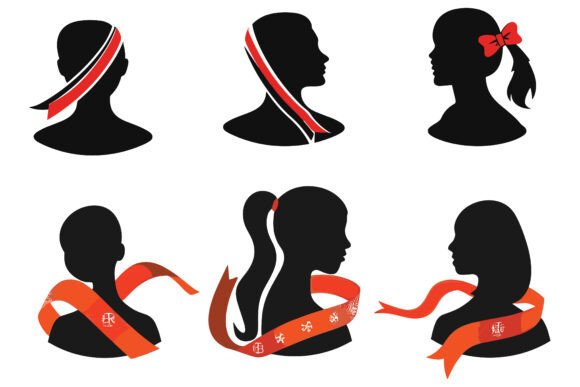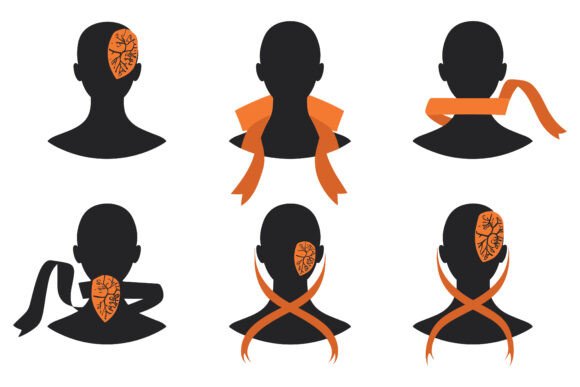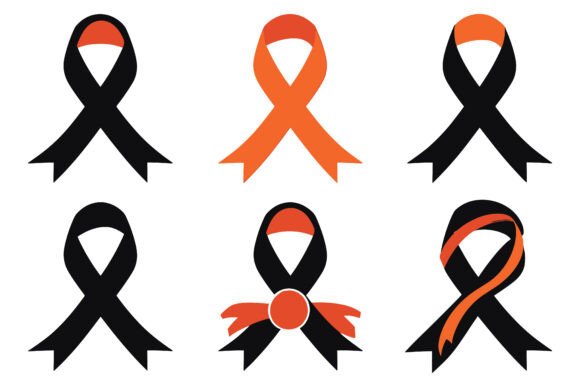
Custom Leukemia Awareness Day Posters: A Strategic Asset for Impactful Campaigns
In the landscape of health advocacy and corporate social responsibility, visual communication is not merely an aesthetic choice; it is a critical operational tool. Custom Leukemia Awareness Day Posters represent more than just graphic files; they are versatile assets designed to unify messaging, drive engagement, and support tangible fundraising goals. For entrepreneurs, marketers, and community organizers, leveraging these digital resources requires a shift from passive consumption to strategic deployment. The value lies not in the image itself, but in how effectively it is integrated into a broader campaign strategy to educate, mobilize, and inspire action.
The Strategic Value of High-Quality Visual Assets
When planning a leukemia awareness initiative, the quality of your visual materials directly influences audience perception and trust. Custom Leukemia Awareness Day Posters are engineered to provide clarity and consistency across multiple platforms. Unlike generic stock imagery, which can feel impersonal or disconnected from specific causes, custom-designed assets allow organizations to maintain brand integrity while aligning with the gravity of the cause.
The inclusion of diverse file formats—EPS, SVG, PNG (with transparent backgrounds), and JPG—is a deliberate design choice that supports operational flexibility. EPS and SVG files are vector-based, ensuring that graphics remain crisp at any scale, from a small wristband to a massive outdoor banner. This scalability is essential for decision-makers who need to deploy materials across various physical and digital touchpoints without compromising resolution. The availability of PNG files with transparent backgrounds eliminates the need for time-consuming editing work, allowing teams to focus on message refinement rather than technical troubleshooting. This efficiency translates directly into cost savings and faster time-to-market for urgent campaigns.
Integrating Assets into Multi-Channel Campaigns
A successful awareness campaign rarely relies on a single medium. Instead, it requires a cohesive ecosystem where every element reinforces the core message. Custom Leukemia Awareness Day Posters serve as the central hub for this ecosystem, adaptable enough to function in ten distinct categories of application.
Merchandise and Fundraising Operations
For small business owners and charity organizers, merchandise remains a primary revenue stream. Applying these designs to t-shirts, mugs, wristbands, and tote bags transforms supporters into walking billboards. The strategic advantage here is twofold: immediate visibility and sustained funding. When designing for merchandise, consider the print method. Vector files (EPS/SVG) are superior for screen printing and embroidery, ensuring longevity on fabrics. A well-planned merchandise line using these assets can turn a one-time donation into a recurring brand ambassador opportunity.
Digital Presence and Social Media Strategy
In the digital realm, attention spans are short, and visual impact is paramount. These posters are optimized for social media campaigns, serving as profile pictures, story banners, and awareness posts. Marketers should utilize the high-resolution JPG and PNG versions to ensure that images load quickly yet retain sharpness on high-density mobile screens. Consistency in visual identity across Instagram, LinkedIn, and Facebook builds recognition. When followers see a unified visual language, they are more likely to trust the organization behind the content, leading to higher engagement rates and shareability.
Event Promotion and Community Engagement
Physical events such as walkathons, benefit concerts, and donation drives require robust promotional materials. Flyers, event posters, and large-format banners must communicate essential details—date, location, purpose—immediately. Using Custom Leukemia Awareness Day Posters ensures that the event branding is professional and emotionally resonant. Planners should treat these assets as part of a larger logistical plan, coordinating the visual rollout with ticket sales and volunteer recruitment timelines.
Expanding Reach Through Education and Corporate Initiatives
Beyond fundraising, the true long-term value of awareness materials lies in education and institutional change. Medical professionals and educators can adapt these designs for brochures, pamphlets, and infographics. In this context, the design must prioritize readability and information hierarchy. The clean lines and clear typography found in these custom posters make them ideal for translating complex medical data into accessible public knowledge.
Similarly, corporate initiatives benefit significantly from structured awareness programs. Human Resources departments can integrate these visuals into employee newsletters, internal newsletters, and HR campaigns to foster a culture of empathy and support. For corporations, the use of professional-grade assets signals a genuine commitment to the cause, enhancing employer branding and employee morale. It moves the conversation from performative gestures to meaningful engagement.
Practical Applications for Creators and Hobbyists
Freelancers, bloggers, and DIY enthusiasts also find immense utility in these versatile files. Whether creating personalized support items, stickers, scrapbooking layouts, or home decor like canvas prints and decals, the transparent background PNGs offer creative freedom. Hobbyists can layer these elements over photos or textures to create unique tributes. However, even in personal projects, intentionality matters. Using these assets thoughtfully ensures that the final product honors the seriousness of the disease rather than trivializing it through inappropriate contexts.
Risks of Indiscriminate Use and Decision-Making Guidance
While the versatility of Custom Leukemia Awareness Day Posters is an asset, it also presents risks if used without a clear strategic framework. The most common pitfall is "visual noise"—deploying too many disparate images that dilute the core message. Organizations must resist the urge to use every available format simultaneously without a coordinated plan. Random usage can confuse the audience and undermine the credibility of the campaign.
Furthermore, context is critical. A design intended for a somber memorial service may not be appropriate for a high-energy fundraising gala. Decision-makers must evaluate the tone of the event or platform before selecting a specific variation of the poster. Misalignment between the visual tone and the occasion can lead to negative public perception. It is essential to review the color palette, imagery, and accompanying copy to ensure they resonate with the target demographic and the specific goal of the campaign.
Planning for Long-Term Impact
To maximize the return on investment for these assets, organizations should adopt a lifecycle approach. Begin by defining clear objectives: Is the goal to raise funds, educate the public, or recruit volunteers? Once the objective is set, select the appropriate file formats and applications from the list of uses. For example, if the goal is long-term brand building, invest in high-quality merchandise and web design elements. If the goal is immediate awareness, prioritize social media and event flyers.
Regularly audit how these materials are performing. Are the social media posts driving traffic? Is the merchandise selling out? Use these insights to refine future deployments. Custom Leukemia Awareness Day Posters are not static; they are dynamic tools that should evolve with the campaign's needs. By treating them as integral components of a strategic plan rather than afterthoughts, stakeholders can ensure that their efforts contribute meaningfully to the fight against leukemia.
Conclusion: Intentionality Drives Results
The power of Custom Leukemia Awareness Day Posters lies in their adaptability and the potential they hold for cross-sector collaboration. From medical educational materials to corporate HR campaigns, these assets bridge the gap between awareness and action. However, their effectiveness is contingent upon thoughtful planning and intentional execution. By understanding the technical capabilities of the included files and aligning them with specific organizational goals, leaders can create campaigns that are not only visually compelling but also strategically sound. In the end, the measure of success is not just in the number of posters distributed, but in the depth of understanding and the volume of support generated for those affected by leukemia.