Watercolor Flower Clipart: A Strategic Asset for Visual Branding
In the competitive landscape of digital and print design, the choice of visual assets often dictates the success of a communication strategy. Watercolor Flower Clipart is not merely decorative; it is a versatile tool that, when deployed with intention, can elevate brand perception, streamline production workflows, and create an emotional connection with target audiences. For entrepreneurs, marketers, and creative professionals, understanding how to leverage these high-resolution elements transforms a simple graphic purchase into a calculated business decision.
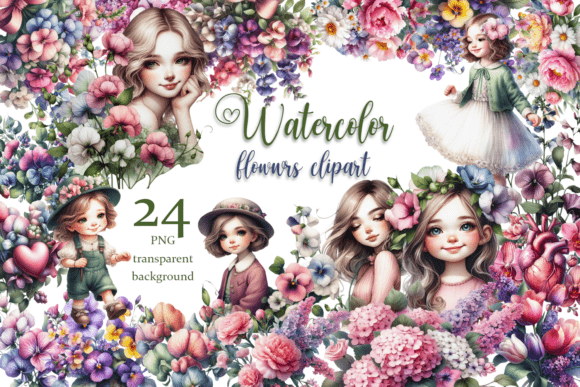
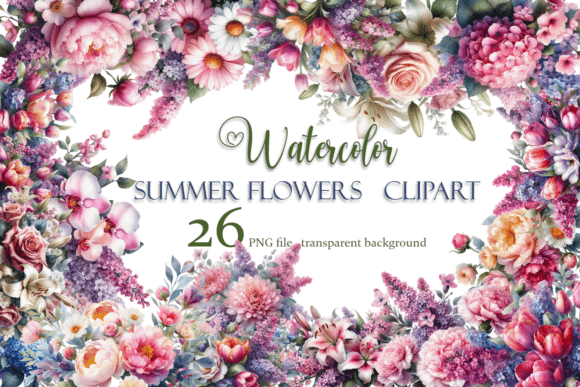
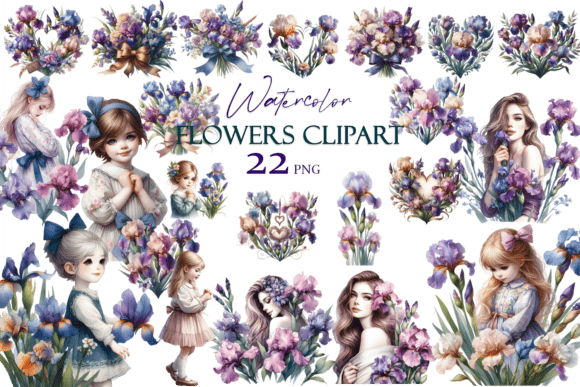
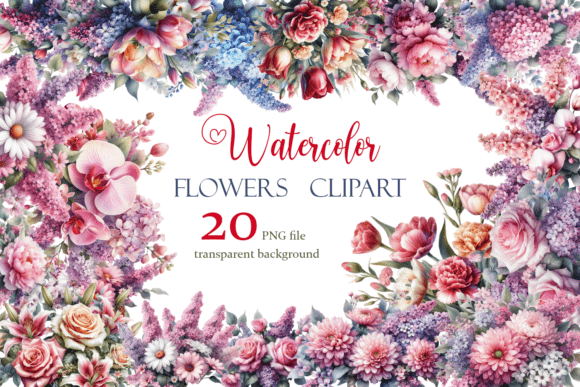
The Summer collection featuring watercolor heart flowers and botanical illustrations offers more than just aesthetic appeal. It provides a cohesive visual language suitable for invitations, textiles, web design, and marketing collateral. However, the value of such a bundle lies not in the files themselves, but in how they are integrated into a broader strategic framework. This guide explores the practical application of these assets, helping you make informed decisions that yield measurable results.
Defining the Strategic Value of Watercolor Aesthetics
Watercolor Flower Clipart occupies a unique niche in graphic design. Unlike vector graphics, which offer sharp, geometric precision, watercolor textures introduce organic imperfection, softness, and a sense of human touch. In a market saturated with rigid, algorithmically generated imagery, this style signals authenticity and warmth. For brands targeting demographics aged 20 to 50—particularly those in wellness, lifestyle, education, or artisanal goods—this aesthetic aligns with consumer values of naturalism and genuine connection.
Strategically, using these PNG elements allows for rapid prototyping without sacrificing quality. The inclusion of a transparent background at 300 dpi ensures that the assets are ready for both high-fidelity print runs and crisp digital displays. This dual compatibility reduces the friction between planning and execution. When a designer can seamlessly move from a concept on a screen to a physical invitation or a website banner, the time-to-market decreases, allowing businesses to capitalize on seasonal trends like summer celebrations more effectively.
Integrating Assets into Brand Positioning and Communication
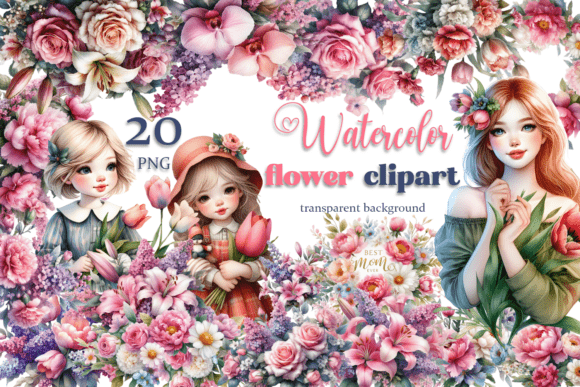
Visual consistency is the cornerstone of strong branding. A curated set of Watercolor Flower Clipart, such as the 20-element bundle including heart-shaped blooms, provides a unified palette and style. This consistency is crucial for building brand recognition. When a customer sees the same floral motifs across a blog post, a social media advertisement, and a printed card, the brand feels established and reliable.
Consider the specific use cases where these assets drive engagement:
- Event Marketing: For wedding planners or event coordinators, watercolor hearts and flowers convey romance and elegance. Using these elements in invitations sets the tone immediately, managing guest expectations regarding the event's atmosphere.
- E-commerce Product Design: Small business owners selling textiles or stationery can use individual elements to mock up products quickly. This accelerates the listing process and allows for A/B testing different designs to see what resonates with buyers.
- Digital Content Strategy: Bloggers and content creators need fresh visuals to maintain audience interest. High-resolution PNGs allow for the creation of custom headers, featured images, and infographics that stand out against generic stock photography.
The key to effective positioning is context. These illustrations should reinforce the message, not distract from it. If your brand voice is minimalist and corporate, a heavy application of floral clipart may dilute your authority. However, if your goal is to evoke joy, celebration, or creativity—as suggested by the "Summer, a reason to rejoice" theme—these assets become powerful communicators of your core values.
Operational Efficiency and Workflow Optimization
For freelancers and small teams, time is a finite resource. The ability to manipulate individual elements from a Watercolor Flower Clipart bundle significantly enhances operational efficiency. Instead of commissioning custom artwork for every project, designers can assemble frames, bouquets, and compositions from existing high-quality components. This modular approach supports agile design practices.
Because the files are compatible with most standard graphics programs, there is no steep learning curve or software dependency barrier. Professionals can import these 300 dpi PNGs directly into their workflow, layer them over text, combine them with other textures, or resize them for various formats without losing clarity. This flexibility empowers creators to iterate rapidly. You can test a design concept in the morning and have a final asset ready for a client presentation by the afternoon.
Furthermore, having a library of pre-vetted assets reduces decision fatigue. When a designer knows exactly what tools are available and how they perform, they spend less time searching for resources and more time solving complex design problems. This shift from resource hunting to creative problem-solving is a critical factor in maintaining productivity and meeting tight deadlines.
Risks of Unintentional Usage and Mitigation Strategies
While Watercolor Flower Clipart offers significant advantages, it carries risks if used without a clear strategic plan. The primary danger is visual clutter. Overloading a design with too many floral elements can obscure the core message, making the content difficult to digest. In marketing, clarity is king; if the audience cannot immediately understand the call to action because they are distracted by excessive decoration, the campaign fails.
Another risk is brand misalignment. Applying a whimsical, summery floral style to a serious financial report or a legal document creates cognitive dissonance. This mismatch can undermine credibility and confuse the audience about the nature of the business. Before relying on these assets, decision-makers must ask: Does this visual style support our current goals? Does it resonate with our specific audience segment?
To mitigate these risks, adopt a disciplined approach to selection:
- Define the Objective: Determine the primary goal of the design (e.g., sell a product, invite guests, explain a concept).
- Limit the Palette: Use only a few elements from the bundle to create a focal point rather than filling every empty space.
- Maintain Hierarchy: Ensure that text and critical information remain legible and dominant over the decorative clipart.
- Test Across Media: Verify that the 300 dpi resolution holds up in all intended formats, from large banners to mobile screens.
Long-Term Value and Sustainable Design Practices
Investing in a comprehensive bundle of Watercolor Flower Clipart is a sustainable practice for long-term growth. Rather than purchasing single-use images repeatedly, acquiring a diverse set of 20 elements allows for endless combinations. This approach maximizes the return on investment (ROI) for every dollar spent on design resources.
Over time, these assets can evolve with your brand. As seasons change, the same watercolor flowers can be recontextualized—perhaps shifting from a summer celebration theme to a spring renewal campaign or even a winter holiday accent with color adjustments. This adaptability ensures that your visual identity remains fresh without requiring constant new expenditures.
Moreover, utilizing high-quality, professional-grade PNGs contributes to a reputation for excellence. In an era where consumers scrutinize every detail of a brand's online presence, pixelated or low-resolution images signal negligence. By committing to 300 dpi transparency and clean lines, you demonstrate attention to detail and respect for your audience's experience.
Conclusion: Making Intentional Creative Decisions
The utility of Watercolor Flower Clipart extends far beyond simple decoration. It is a strategic component of a robust visual communication plan. Whether you are launching a new product line, designing a series of educational materials, or crafting personal invitations, the thoughtful integration of these assets can enhance clarity, efficiency, and emotional resonance.
Success lies in intentionality. Do not simply apply these graphics randomly; instead, use them to solve specific design challenges and support your overarching business objectives. By understanding the strengths of watercolor aesthetics, leveraging the technical benefits of high-resolution PNGs, and avoiding common pitfalls of overuse, you can transform a simple clipart bundle into a powerful engine for creative and commercial success. As you explore the possibilities within the Summer collection, remember that the best design choices are those that serve a purpose, connect with people, and deliver consistent value over time.